Expert insight — Rethinking SME Financing
Published on 2025-10-28By Xavier Corman, CEO of Finrack2 min read
In brief
- Finrack sat down with Robert Masse, founder of Paynovate, to discuss how SMEs can transform their stock into liquidity and unlock new financing.
- According to Robert Masse, traditional lenders rarely view stock as reliable collateral, because its true market value is complex to assess.
- Through its Sales & Buy-Back model, Finrack lets companies temporarily sell their stock to generate liquidity, then buy it back under flexible terms.
- Robert Masse calls the model one of the few truly innovative financing solutions on the market, as Finrack can estimate the real market value of inventory.
- Finrack’s financing complements traditional bank loans, helping SMEs that already have credit lines increase their liquidity and optimize their working capital.
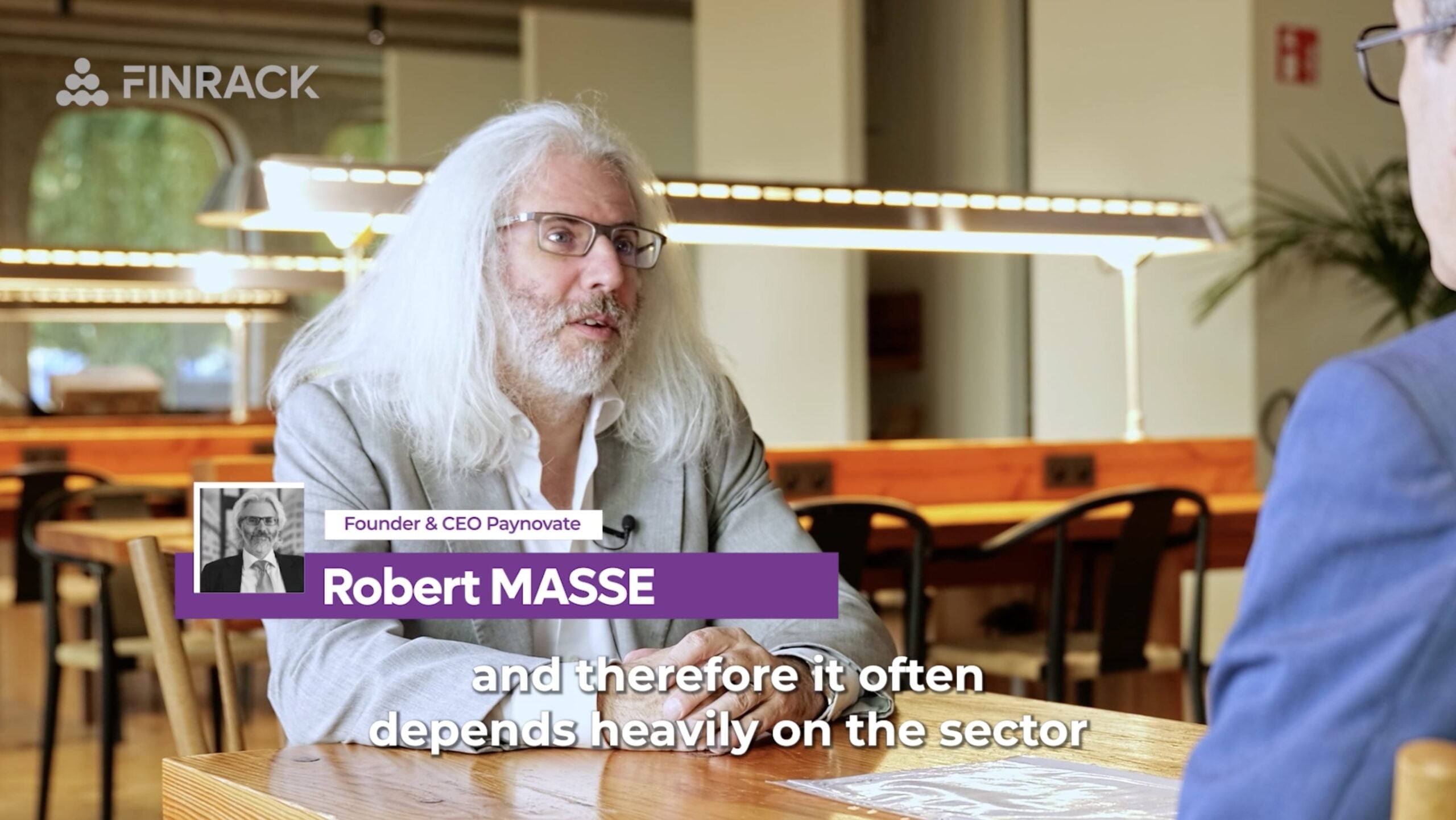
Finrack recently sat down with Robert Masse, founder of Paynovate, a leading European fintech company specializing in electronic money and payment solutions. Together, they discussed one of the key challenges faced by small and medium-sized enterprises (SMEs): how to transform their stock into liquidity and unlock new sources of financing.
The Hidden Potential of Stock as a Financial Asset
For many companies, inventory represents a significant portion of their balance sheet, yet it is often undervalued or overlooked when it comes to securing financing.
As Robert Masse explains, traditional lenders rarely view stock as reliable collateral. Assessing its true market value or managing it in case of default is complex, making it a risky asset in the eyes of banks.
As a result, even healthy and growing businesses find their financing capacities limited.
A Unique Model: Sales & Buy-Back
This is where Finrack’s approach makes all the difference.
Through its Sales & Buy-Back model, Finrack enables companies to temporarily sell their stock to generate liquidity, and then buy it back later under flexible terms.
This innovative method introduces a new way to activate capital immobilized in inventory, while allowing businesses to maintain full operational control.
A Truly Innovative Solution
According to Robert Masse, Finrack’s model is one of the few truly innovative financing solutions on the market. Unlike banks, Finrack knows how to estimate the real market value of inventory, providing financing that is agile, fair, and aligned with a company’s actual economic reality.
Complementary, Not Competitive
The financing solution offered by Finrack does not replace traditional bank loans — it complements them.
Companies that already have credit lines or supplier financing can use Finrack to increase their liquidity and optimize their working capital.
Although its structure differs from a conventional bank loan, the speed, flexibility, and accessibility of Finrack’s model make it an ideal solution for boosting the overall financing capacity of SMEs.
The Future of Asset-Backed Financing
In today’s economic climate, marked by rising interest rates and a stricter regulatory environment, businesses are seeking new ways to sustain their growth.
According to Robert Masse, Finrack’s model fits perfectly within this shift: a more agile, tangible, and value-driven form of financing, focused on the real worth of assets.
By revaluing inventory as a financial lever, Finrack is reinventing the way companies perceive their resources, transforming dormant capital into a genuine growth driver.
Watch the Full Interview
Discover the full interview with Robert Masse, founder of Paynovate, and learn how Finrack contributes to strengthening financial independence for businesses while promoting sustainable growth.
🎥 Watch the video:
👉 Expert Insight – Robert Masse (Founder & CEO of Paynovate) | SME Financing with Finrack
Frequently asked questions
Why are banks reluctant to finance SMEs against their inventory?
According to Robert Masse, traditional lenders find it complex to assess the true market value of stock or to manage it in case of default. Banks therefore see it as a risky asset. As a result, even healthy and growing businesses find their financing capacities limited.
How does Finrack’s Sales & Buy-Back model work in practice?
The company temporarily sells its stock to generate liquidity, then buys it back later under flexible terms. This method activates capital immobilized in inventory. Throughout the process, the business keeps full operational control of its activity.
Can an SME that already has bank credit lines also use Finrack?
Yes. Finrack’s financing does not replace traditional bank loans, it complements them. Companies with existing credit lines or supplier financing can use it to increase their liquidity and optimize their working capital. Its structure differs from a conventional bank loan, but its speed, flexibility and accessibility strengthen the overall financing capacity of SMEs.
Check my eligibility →